
A small dog bite can have consequences far beyond what the initial wound suggests. In one recent case handled by our firm, a very small nip on the ankle — that was cleaned and dressed at an emergency medical center — led to an eleven (11) day hospitalization and nearly cost our client her foot. The experience underscores why prompt medical evaluation, appropriate wound care, and close attention to signs of infection are so important.
Some infections cause redness, swelling, and delayed healing. Others reach tendons, joints, or bone. In rare cases, complications include tissue death, emergency surgery, amputation, or a life-threatening illness.
We discuss rabies (here) and dog bite scarring (here) in separate articles. Here, the focus is on another essential part of recovery: keeping the wound clean, obtaining appropriate medical treatment, and recognizing when an infection needs urgent attention.
Why a Small Dog Bite Can Cause a Serious Infection
A dog’s teeth can puncture the skin and carry bacteria into deeper tissue. The bite may also crush or tear tissue beneath the visible wound. As a result, the size of the opening does not necessarily show the full extent of the injury.
Puncture wounds deserve particular attention because they can be difficult to clean thoroughly. A healthcare professional should assess any dog bite that breaks the skin as soon as possible. Treatment may involve cleaning, antibiotics, repair of damaged structures, or surgery.
What Bacteria Can Cause Dog Bite Infections?
An infected bite may contain several kinds of bacteria. Some come from the dog’s mouth; others may come from the injured person’s skin.
Pasteurella
Pasteurella is a recognized cause of animal bite infections. It can cause painful inflammation and infection around the wound. A bite that becomes increasingly sore, swollen, or red needs medical attention.
Staphylococcus and Streptococcus
Often called “staph” and “strep,” these bacteria can also contribute to infected bite wounds. They may cause spreading skin infections or collections of pus.
Anaerobic Bacteria
Some bacteria grow in environments with little oxygen, including damaged tissue deep within a wound. Their presence helps explain why treatment must cover the mix of organisms associated with animal bites. An antibiotic intended for a different type of infection may provide inadequate coverage.
Capnocytophaga
Capnocytophaga bacteria can live in dogs’ mouths. Human infection is uncommon, but it can become severe quickly.
Symptoms may include blisters near the wound, redness, swelling, fever, vomiting, diarrhea, or confusion. According to the CDC, symptoms commonly begin about three to five days after exposure. Severe cases can cause shock, organ failure, dangerous blood-clotting complications, and amputation.
People without a spleen, those with weakened immune systems, and people with heavy alcohol use face particular risks. Tell the treating clinician about these conditions immediately.
Cellulitis: Infection Spreading Through the Skin
Cellulitis is a bacterial infection involving the skin and underlying tissue. The affected area may become increasingly warm, swollen, tender, and red.
Some discomfort immediately after a bite comes from the injury itself. However, expanding redness, increasing pain, drainage, or fever may indicate infection. These changes warrant prompt reassessment, even if the wound has already been treated.
Abscesses: Pockets of Infection Beneath the Surface
An abscess is a collection of pus. A wound may develop a painful swelling or begin draining as infection collects beneath the skin.
Antibiotics alone may not resolve an abscess. A clinician may need to open and drain it. Trying to squeeze, puncture, or drain the wound at home can cause further injury and delay appropriate treatment.
Infections of Tendons, Joints, and Bone
A deeper infection can threaten movement and long-term function. Depending on the structures involved, complications can include:
- Septic arthritis: infection within a joint.
- Osteomyelitis: infection of bone.
- Infection involving a tendon or its surrounding sheath: potentially affecting movement.
Deep pain, increasing swelling, or difficulty moving the injured area deserves urgent medical evaluation. Clinical guidance recommends hospital referral for bites involving these deeper structures or causing serious infections.
Necrosis: When Tissue Dies
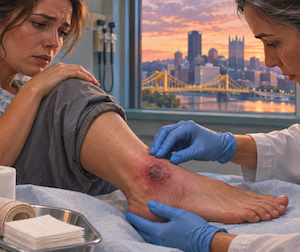 Necrosis means tissue death. It describes damaged tissue rather than one particular disease. A severe bite can injure tissue and its blood supply, while a serious infection can cause further destruction.
Dead tissue may require debridement, a procedure to remove it. This helps clinicians manage the wound and control infection. Cleaning the surface cannot replace removal of damaged tissue when that treatment is necessary.
Necrotizing Fasciitis Is a Medical Emergency
Necrotizing fasciitis is a rare bacterial infection that spreads rapidly through deeper tissue. Warning signs include severe pain, rapidly spreading swelling or redness, and fever. Later changes may include blisters, ulcers, or dark areas of skin.
Do not wait for the skin to turn black. Severe pain or rapidly worsening symptoms after an injury require immediate medical attention.
Treatment generally involves hospital care, intravenous antibiotics, and urgent surgery. Some patients need multiple operations to remove infected and dead tissue.
Sepsis: When an Infection Threatens the Whole Body
Sepsis occurs when the body’s response to an infection causes a dangerous chain reaction. It can lead to tissue damage, organ failure, and death.
Possible warning signs include:
- Confusion or disorientation.
- Shortness of breath.
- Clammy or sweaty skin.
- Fever, shaking chills, or feeling unusually cold.
- A rapid heartbeat or weak pulse.
- Extreme pain or discomfort.
Call 911 or seek emergency care immediately if these symptoms develop after a dog bite. Tell emergency personnel about the bite, even if the wound itself appears minor.
Why Antibiotics Can Be Important
Clinicians may prescribe antibiotics to treat an existing infection or prevent infection in a higher-risk wound. Doctors will say: “Preventive antibiotics are not necessary for every dog bite. The decision depends on factors such as wound depth, location, tissue damage, and the patient’s health.”
Truth is, every bite — no matter how superficial — involves the risk of severe infection.
Amoxicillin-clavulanate, commonly known as Augmentin, is frequently used because it covers many organisms associated with animal bites. Allergies and other medical circumstances may require a different medication.
Take prescribed antibiotics exactly as directed. If symptoms worsen rapidly, obtain care immediately. If the infection does not begin improving within 24 to 48 hours after treatment starts, contact the treating clinician for reassessment.
Real World Example: An Infected Ankle Bite Required Two Surgeries and Months of Wound Care
At the outset, we mentioned our client who spent approximately 12 days in the hospital after a minor nip. Here’s more:
She underwent two operations. Her treatment then continued for months after discharge.
During the first surgery, doctors opened and drained an ankle abscess, removed the puncture site, and cleaned damaged tissue from the sheath surrounding a tendon. They also placed a Wound VAC, a device that applies controlled suction to help manage the wound as it heals.
A second operation involved further washing of the wound and repair of a tear in the tendon. Surgeons partially closed the wound and placed a graft over the remaining opening. After discharge, the client had to keep weight off the affected foot while continuing her recovery.
The two hospital operations were only the beginning. Between April and July, she returned for six additional outpatient procedures. These included repeated removal of unhealthy tissue, treatment of excess healing tissue, and placement of another graft. Altogether, she required eight procedures before the wound fully resolved.
By late July, the open wound had finally healed, leaving a raised scar, and she was cleared to begin physical therapy. Her experience shows how a dog bite can lead to an abscess, treatment involving a tendon, prolonged difficulty walking, and months of specialized wound care. Closing the skin was only one part of her recovery.
Keeping the Wound Clean Supports Recovery
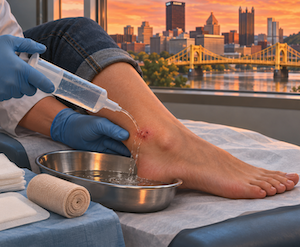 Initial care includes washing the wound with mild soap and running water, controlling bleeding with clean material, and covering it with a clean dressing. Medical evaluation remains important because home cleaning may not reach contamination deep within a puncture.
Follow the clinician’s instructions for cleaning, dressing changes, medication, and follow-up appointments. Ask when the wound should be rechecked and which changes should trigger an earlier visit.
Wound closure also requires medical judgment. Clinicians weigh infection risk when deciding whether to stitch a bite, leave it open, or use another approach. The desire to minimize a scar is one consideration within that broader treatment decision.
Concerns About Tetanus
Tetanus is another concern after a contaminated wound. It can cause severe muscle stiffness and spasms.
The CDC classifies animal bites as dirty or major wounds for tetanus assessment because they contain saliva. A booster may be indicated if the patient completed the initial vaccine series but received the last dose five or more years ago. Patients with unknown or incomplete vaccination histories may need additional protection.
The usual tetanus shot is preventive, but a different injection can help treat tetanus once it develops.
- Tetanus vaccine or booster (Tdap or Td): Trains the body to produce protective antibodies. It may be given after a bite to prevent disease, but it does not treat an established tetanus infection.
- Tetanus immune globulin (TIG): Supplies ready-made antibodies that neutralize tetanus toxin before it attaches to nerve endings. It is injected into a muscle and can be used both for prevention in certain patients after a wound and for treatment of diagnosed tetanus. It cannot reverse the effects of toxin already attached to nerves.
Antibiotics prescribed for a bite infection do not replace tetanus vaccination or tetanus immune globulin when indicated.
Is All This Medication Necessary?
Many in the “anti-vax” movement say “no.”
However, health care providers agree that a tetanus booster is not necessary after every dog bite. The treating clinician should review the patient’s vaccination history and wound characteristics to determine whether a booster, tetanus immune globulin, or neither is appropriate.
With any medication, all the risks and benefits must be weighed.
Continue Watching the Wound After the First Visit
An initial medical visit begins the recovery process. It does not eliminate the need to watch for changes.
Contact Us Today
Get in touch with us today for a free consultation.
412.400.5476 – Call or Text!