
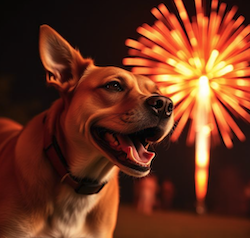
 The Fourth of July is a time for fireworks, backyard cookouts, family reunions, and neighborhood celebrations. For many people, it is one of the highlights of the summer. Unfortunately, it is also one of the most stressful weekends of the year for dogs. As a result, it can become an especially dangerous time for dog bite injuries.
Although there is surprisingly little nationwide data tracking the exact number of dog bites that occur over the Fourth of July holiday, animal behavior experts, veterinarians, shelters consistently report that the holiday creates many of the conditions that make dog bites more likely. At the same time, animal shelters across the country experience a dramatic increase in lost pets immediately after Independence Day, demonstrating just how frightened many dogs become during the holiday.
Fireworks Trigger a Dog’s Fight-or-Flight Response
The biggest reason is simple: fireworks.
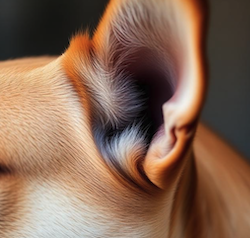 Dogs possess incredible ultrasonic hearing, catching frequencies up to 65,000 Hz, while humans max out at 20,000 Hz. This super-hearing allows them to easily detect the faint squeaks of rodents or “silent” dog whistles that are completely inaudible to us.
While many people enjoy fireworks, dogs often experience the loud explosions as terrifying and unpredictable threats. Their natural instinct is not to celebrate—it is to survive.
According to data tracked by veterinary platform JustAnswer, more than half of all annual fireworks-related pet emergencies occur in July, with 91% of those cases involving dogs suffering from extreme panic, shaking, and escape attempts.
When frightened, many dogs attempt to run away. Others hide. However, some dogs react defensively. A normally friendly pet may growl, snap, or bite simply because it is scared and does not understand what is happening.
Even well-trained family dogs can bite when they feel trapped, cornered, or startled by repeated loud explosions. Owners sometimes suffer bites while trying to comfort, restrain, or pick up an anxious dog that is acting purely out of fear.
Crowds and Unfamiliar Visitors Add Even More Stress
The Fourth of July is about much more than fireworks.
Families gather. Friends visit. Children run through yards. Guests come and go throughout the day. Neighbors stop by unexpectedly.
For many dogs, this means spending hours around people they rarely see.
Although family members may feel relaxed around one another, dogs do not always share that comfort level. Loud conversations, excited children, hugs, quick movements, and unfamiliar visitors entering the home can all increase a dog’s anxiety.
The result is a dog that may already be stressed before the first firework even goes off.
Outdoor Parties Create More Opportunities for Bites
Backyard cookouts and neighborhood celebrations also place dogs into situations they do not normally experience.
Dogs may be surrounded by dozens of people, unfamiliar children, bicycles, lawn games, food, music, and constant activity. Some guests may assume every dog enjoys being petted. Others may unknowingly invade the dog’s personal space.
Children are especially vulnerable because they often approach dogs quickly, hug them, or attempt to play without recognizing signs that a dog wants to be left alone.
A frightened or overwhelmed dog may react in seconds.
The Holiday Lasts Longer Than Just One Day
Many people think of Independence Day as a single evening of fireworks. In reality, the risks often begin days before July 4 and continue throughout the holiday weekend.
Neighborhood fireworks frequently start several nights before the holiday and continue afterward. Family gatherings may span multiple days, exposing dogs to prolonged stress instead of a single event.
That extended period of anxiety can make even calm dogs more reactive as the weekend progresses.
Lost Pets Surge Every Fourth of July
While reliable nationwide statistics on holiday dog bites are limited, there is strong evidence showing that dogs experience extraordinary stress during the Fourth of July.
Studies and shelter data consistently show that animal shelters experience approximately a 30% to 60% increase in lost pets between July 4 and July 6, with July 5 often being the busiest day of the year for stray dog intake. Shelter Animals Count has likewise found that the week surrounding Independence Day consistently produces the highest surge in stray dog admissions nationwide.
Those numbers illustrate just how many dogs panic when fireworks begin.
While running away is the most common response, panic can also lead to defensive behavior, including biting owners, guests, delivery drivers, neighbors, or children who unknowingly approach a frightened animal.
Emergency Services May Be Stretched Thin
Another practical concern is that Fourth of July weekend places unusual demands on emergency responders.
The Fourth of July holiday triggers massive spikes in emergency calls, traffic accidents, and fire hazards, drastically increasing the burden on law enforcement and first responders. Emergency dispatch centers handle more than double their normal 911 call volume, as departments work overtime to manage public safety during the summer celebrations.
Specifically, police officers are often occupied responding to fireworks complaints, impaired driving investigations, traffic accidents, and large public gatherings. Ambulance companies and emergency rooms also experience increased patient volume from holiday-related injuries.
Although law enforcement and emergency personnel respond professionally whenever needed, victims of dog attacks may encounter longer response times simply because public safety resources are handling numerous emergencies at once.
Tips to Reduce the Risk of a Dog Bite
Whether you own a dog or are attending a holiday gathering, a few simple precautions can greatly reduce the risk of injury.
- Keep dogs indoors before fireworks begin.
- Place dogs in a quiet room away from guests, windows, and doors.
- Make sure collars, identification tags, and microchip information are current.
- Never assume a normally friendly dog will react the same way when frightened.
- Teach children not to approach, hug, or crowd unfamiliar dogs.
- Ask guests not to pet a dog without the owner’s permission.
- If a dog appears anxious, growls, backs away, or tries to hide, give it space immediately.
- Consider speaking with your veterinarian before the holiday if your dog has a history of anxiety during fireworks.
Advice for Dog Owners to Avoid Personal Liability
Be aware of what makes your dog nervous. Limit the animal’s contact with people, accordingly.
Above all, an excellent way to protect yourself financially is to make sure you have adequate liability insurance through your homeowner’s or renter’s insurance policy.
In many cases, these policies:
- provide coverage for dog bite claims, regardless of the dog breed
- include the cost of hiring an attorney to defend you and paying any settlement or judgment, up to the limits of your policy and
- cover you when your dog attacks off your property that’s insured.
Strategy to avoid?
Don’t plan to blame the victim, as your primary defense. Such as strategy can prove risky in court. Juries often want to punish those who blame victims for the harm they suffered.
For example, dog owners should think carefully before relying on a “Beware of Dog” sign to insulate them from liability. While there may be situations where a warning sign is appropriate, it can sometimes become evidence in a lawsuit that the owner knew the dog had dangerous tendencies or believed the dog posed a risk to others.
Because a serious dog bite injury can result in substantial damages, maintaining appropriate insurance coverage is often your best defense against the financial consequences of a claim.
If You or Your Child Is Bitten by a Dog
Even responsible dog owners cannot always predict how a frightened animal will react.
Dog bites can cause serious injuries, permanent scarring, nerve damage, infections, and emotional trauma—particularly when children are involved. Pennsylvania law may allow injured victims to recover compensation depending on the circumstances surrounding the attack.
If you or a loved one has been injured by a dog during the Fourth of July holiday or at any other time, it is important to document the incident, seek prompt medical treatment, report the attack to local authorities, and speak with an attorney who understands Pennsylvania dog bite law.
The Fourth of July should be remembered for family, friends, and celebration—not for a preventable injury. By understanding how fireworks and holiday gatherings affect dogs, both pet owners and guests can take simple steps that make the holiday safer for everyone.
Get a Free Consultation!
Our firm offers a free, no obligation consultation about any canine in Pennsylvania.
412.400.5476